



When Your Brand Has Babies
How to add New Wines Without Losing Yourself
The most common question we get is “what is the Wi-Fi password for your office.”
The second most common question we get is:
“How should we handle this new wine(s) without confusing our brand?”
It’s a fair ask. The modern winery lives in a constant state of expansion — new vineyard blocks, new varietals, new sparkling programs, new “limited-time-only” experiments your winemaker swears are the future.
But every time you slap a new label on a bottle, you’re also poking at the boundaries of your brand. Do you bring it under the same umbrella? Give it its own look? Call it something totally different? The wrong move can blur your story faster than a second bottle of rosé after brunch.
Let’s take a step back and look at what’s really at stake — and how the pros manage it.
What a Brand Actually Is and Why It Matters When You Add a New Product
A brand isn’t your logo, your label, or even the wine itself. It’s the gut feeling people have about you — the shorthand for your story, your values, your personality, and the promise you deliver every single time someone pulls a cork.
It’s every detail from your tone of voice to how your tasting-room staff greet guests to how your bottle looks on a crowded retail shelf. It’s the mental picture people have of you — and whether they choose you again next weekend.
One of the most important ways your brand demonstrates its value isn’t in your ads, your tasting room, or your tagline — it’s in your product.
Every bottle that leaves your winery is a tangible expression of what you’ve promised the world. If your brand stands for craftsmanship, consistency, and care, then every SKU, blend, or sub-label has to live up to that promise. If it doesn’t, you’re not just releasing a new wine — you’re rewriting your story in real time.
Think of your product lineup as the punctuation marks in your brand’s sentence. Too many, and the meaning gets lost in the noise. Too few, and the sentence feels unfinished. Each release should reinforce who you are, not confuse the reader.
Consistency doesn’t mean sameness — it means recognizability. Your wines should share a common DNA, whether that’s in flavor profile, philosophy, or design language. Consumers should be able to spot your wine across a crowded shelf and think, Oh, that’s them.
At the same time, a healthy brand evolves. Offering distinctive tiers, limited editions, or experimental blends gives fans a reason to stay engaged. The trick is balance: enough cohesion that customers feel anchored, enough variety that they stay curious.
It’s a delicate balancing act between brand consistency and creative freedom — and there’s no single right answer. Every new SKU adds another line to your narrative. The question to ask before bottling anything new isn’t just “Is it good?” — it’s “Is it us?”
Which Brand Structure Fits Your Winery?
Marketing nerds break this down into four basic types. Here’s how they play out in the wine world:
1. Branded House
One name to rule them all.
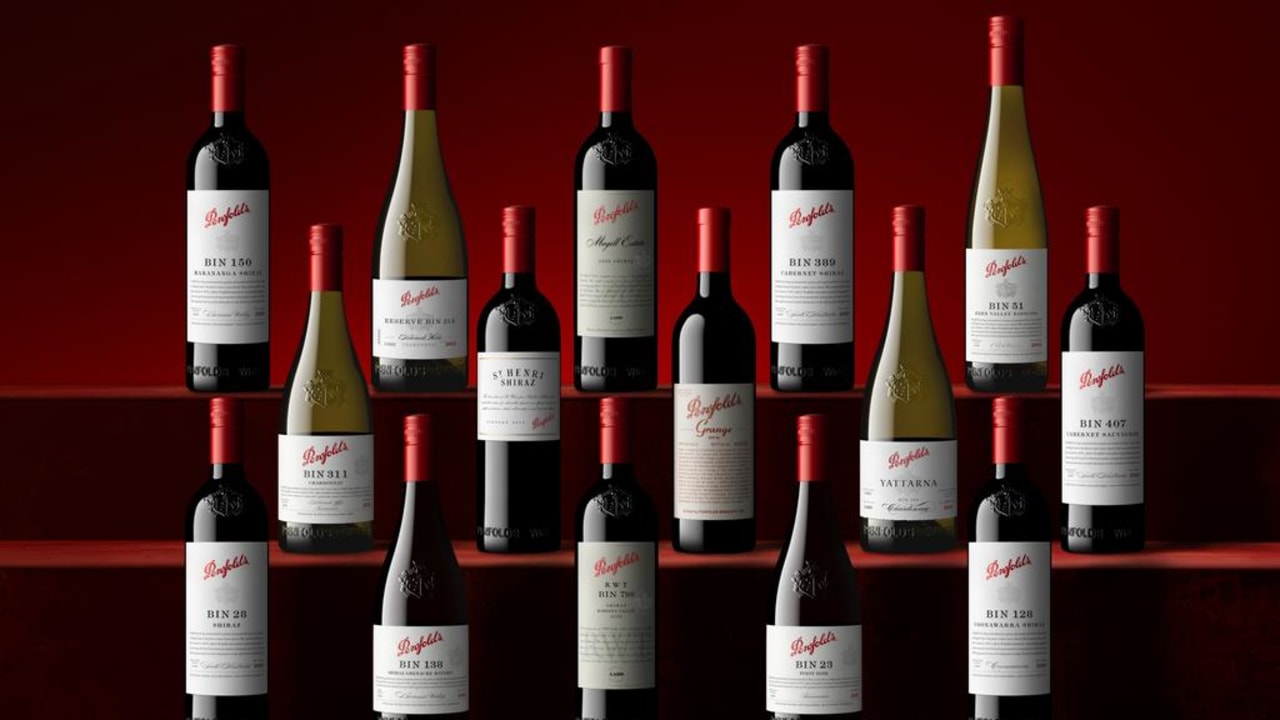
In a Branded House, every product sits proudly under the same flagship name. The power of the brand drives all recognition, and consistency is everything.
Wine Examples:
- Robert Mondavi Winery — The brand name anchors every tier, from Private Selection to Reserve.
- Penfolds — Koonunga Hill, Bin 389, and Grange all ladder back to the same story.
- Kendall-Jackson — Different tiers, same trusted personality.
This works if you’ve built serious equity in your name and want new releases to inherit that credibility immediately. The risk? If one product flops, the whole family feels it.
2. Sub-Brands
A strong parent with personality-driven offspring.
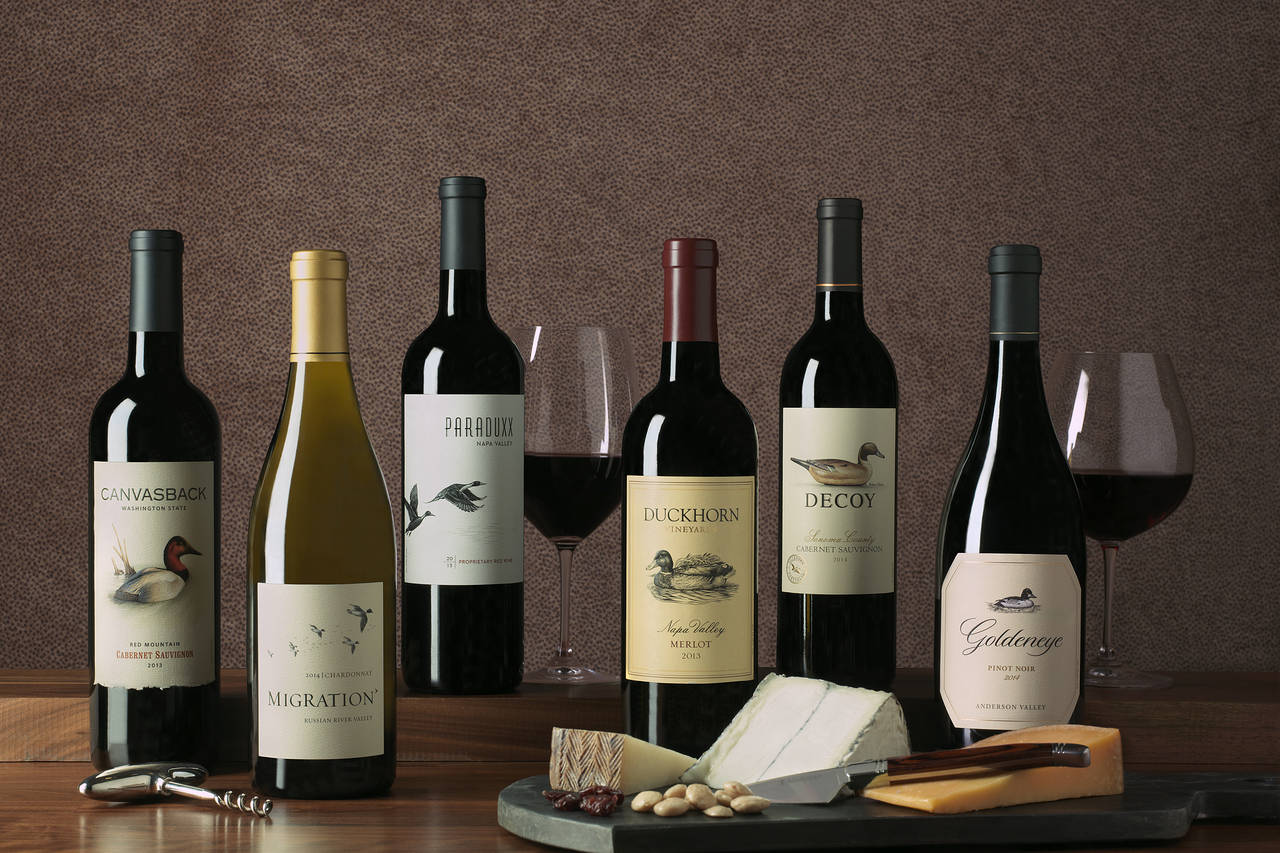
Here, the parent brand remains visible, but each line has its own vibe. This model gives you room to play while still keeping things in the family.
Wine Examples:
- Duckhorn Portfolio — Decoy, Goldeneye, Migration, and Canvasback each appeal to different audiences, but all trace back to Duckhorn’s reputation.
- Château Ste. Michelle — Offshoots like Eroica expanded its reach without losing the Washington State story.
Sub-brands can help you stretch into new styles, price points, or audiences — as long as you maintain a recognizable thread.
3. Endorsed Brands
Independent stars with a family name in the credits.
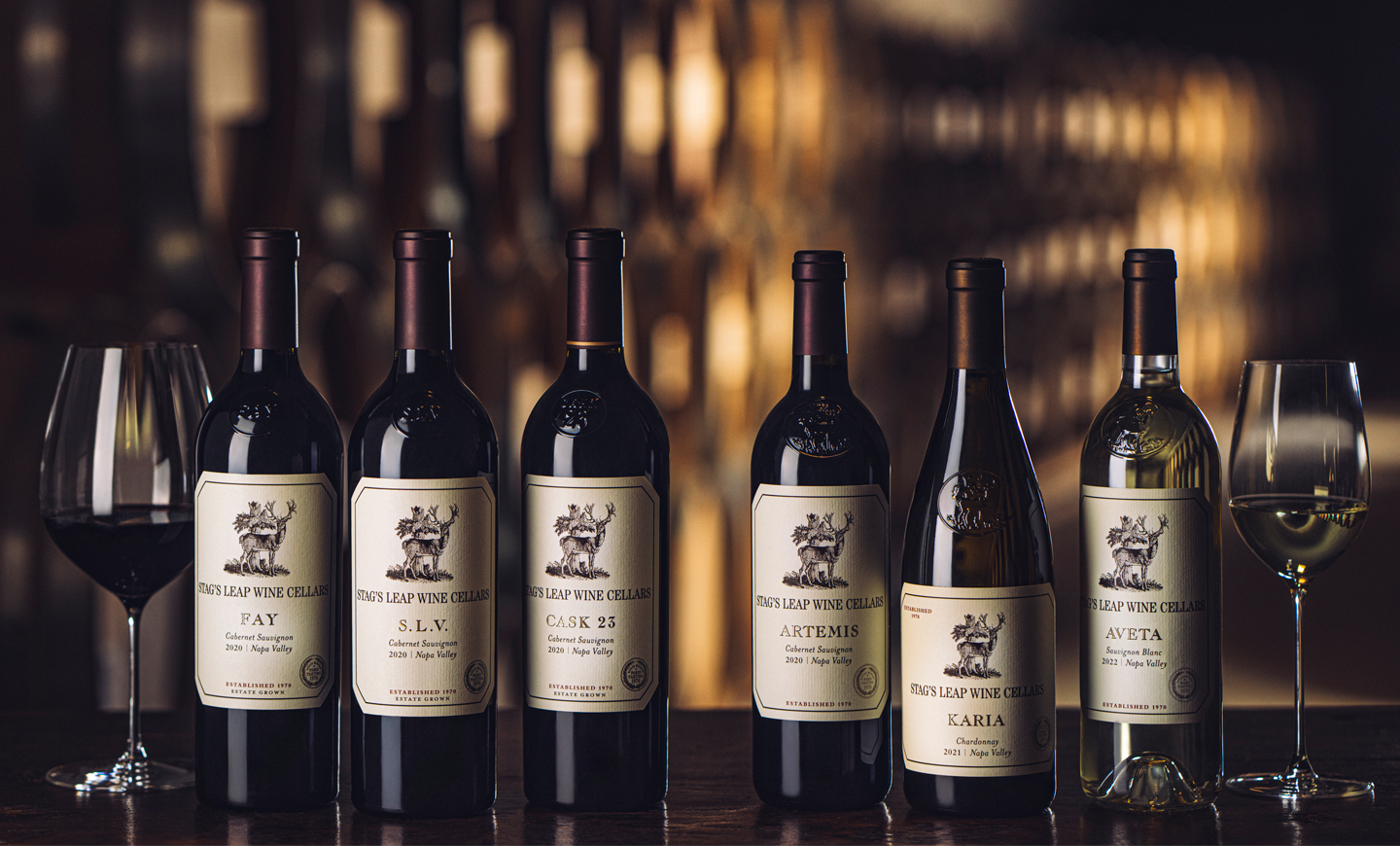
These brands stand mostly on their own but borrow a little credibility from their parent.
Wine Examples:
- Stag’s Leap Wine Cellars – Artemis by Stag’s Leap
- Antinori’s Tignanello and Guado al Tasso — distinct wines, unified heritage.
- Beringer Bros. — modern packaging, historical name.
Endorsed brands strike a balance between independence and reassurance — they let creativity run wild while still whispering, “Don’t worry, it’s from us.” This allows each product to express its own personality while still carrying the quiet confidence of a trusted parent name.
4. House of Brands
The corporate chameleon.
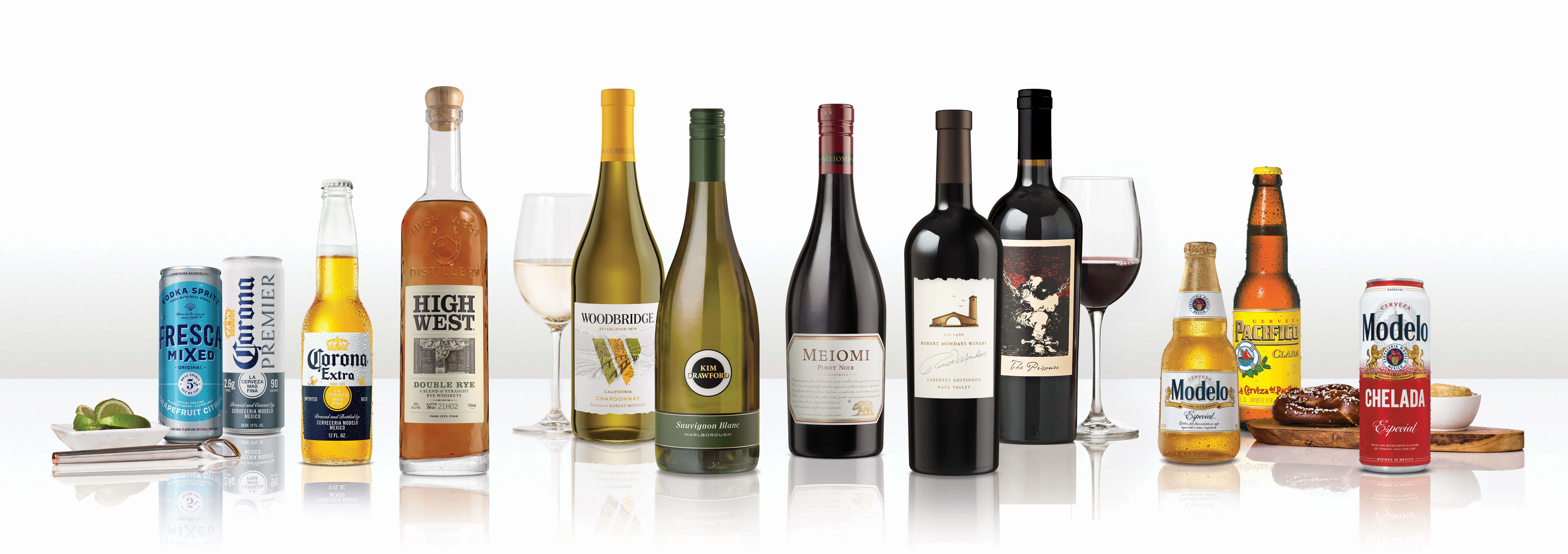
The parent company is invisible, quietly managing a portfolio of distinct and unrelated labels.
Wine Examples:
- Constellation Brands — from Meiomi to The Prisoner to Kim Crawford, each brand lives and markets independently.
- Treasury Wine Estates — Penfolds, 19 Crimes, Sterling Vineyards, Beringer, each with its own positioning.
- LVMH Wines & Spirits — Chandon, Newton, Cloudy Bay, and Dom Pérignon all play to different audiences, with different stories.
This model works when your company plays in multiple markets or price points and doesn’t need consumer recognition across them. The risk? You’ll need a small army of marketing teams to keep every label distinctive.
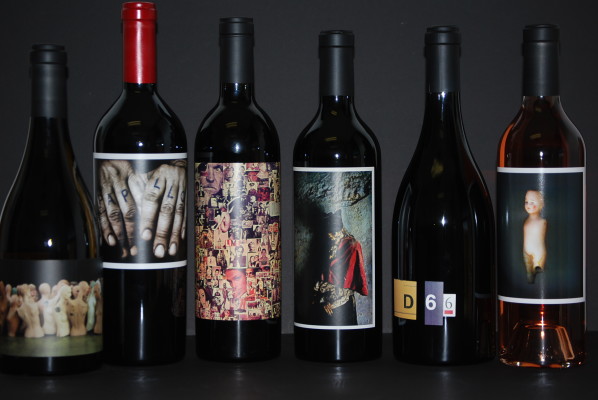
Wait, where does something like Orin Swift or Field Recordings fit?
This model is a fascinating twist: every wine is a one-off, complete with its own name, artwork, and personality — here today, gone tomorrow. It’s the “Endorsed Brand” model taken to an extreme. The unifying thread isn’t a visual identity or flavor profile, it’s the attitude. Consumers trust the brand name to stand alone, no matter what’s inside the bottle.
In short, this “every wine is a one-time story” model sits at the intersection of art project and brand identity — and it’s echoed by this new generation of wineries embracing creative impermanence as part of their DNA.
Protecting Your Brand (and Sanity) as You Grow
Brand architecture is strategy — but brand health is maintenance. Once you’ve decided how your wines relate to each other, you need to guard that ecosystem like it’s your cellar key.
Here’s how to keep your brand’s identity intact while you grow:
WGM’s Quick-and-Dirty Brand Checkup
1. Start With a Map.
Write down every product you sell and draw lines between what connects them — name, design, audience, or message. You’ll quickly see whether you’re a tidy Branded House or a chaotic House of Brands.
2. Define the Promise.
What does every bottle from your winery guarantee the drinker? Quality? Playfulness? Sustainability? Find the one thing that ties everything together.
3. Audit Your Look and Feel.
Pull all your labels, emails, and ads. Do they look like cousins or complete strangers? Create brand standards to keep your identity consistent, even when the creative gets wild.
4. Set Guardrails for New Releases.
Before launching that new orange-wine-in-a-can project, ask:
- Does it fit the parent brand?
- Should it have its own sub-brand?
- Or is it a one-time experiment under endorsement (hello, Tank Garage)?
5. Protect the Name.
File trademarks early. The wine world is full of clever names that turn into legal headaches.
6. Tell the Story — Every Time.
Consumers won’t connect the dots for you. Use your website, tasting notes, and social channels to constantly reinforce the “why” behind every product line.
The Bottom Line
Wine branding is more than design; it’s identity management. Every new release should either build your story or beautifully break from it by design — not by accident.
Because in the end, your brand isn’t what you say it is.
It’s what the world believes after the last sip.
So before your next label hits print, ask yourself:
Does this feel like “us”?
If not, step back, pour a glass, and rethink the story.
(Preferably with us in the room.) 🍷
