


The 12 Days of Data
What Last Year’s Holiday Sales Should Teach You
If your winery’s December felt like a sugar high followed by a January hangover, congratulations—you’re in the club. The holiday season brings out the best and worst of wine marketing. We see a flurry of emails, social posts, pop-up bundles, and panicked “last chance for shipping!” reminders that make even Santa unsubscribe. But behind all that glitter and noise sits something actually useful: data.
And data, unlike mistletoe or tinsel, ages beautifully—if you know how to use it.
Day 1: The Ghost of Open Rates Past
Let’s start with the easy one. You sent fifteen emails between Thanksgiving and New Year’s, and shocker—open rates dropped after the first week. This isn’t your subscribers turning into Grinches; it’s list fatigue. Consumers are bombarded with messages from every brand they’ve ever accidentally clicked “subscribe” on.
The fix: cut your frequency, not your revenue. Segment your list by engagement level and tailor cadence accordingly. Your frequent buyers can handle three or four messages a week. Everyone else? One great offer, not five mediocre ones. Quality over quantity—just like wine.
Day 2: The “Average Order Value” Wake-Up Call
If your AOV dropped during the holidays, you probably leaned too hard on discounts or failed to upsell. A 15% off coupon feels generous until you realize it tanked your margins and didn’t grow your cart size.
Instead of racing to the bottom, bundle smartly. Create curated sets with built-in perceived value: Holiday Reds for the Table, New Year’s Sparkling Trio, “Save Me From My In-Laws” Sampler. Offer shipping incentives instead of percentage cuts. You’ll preserve your pricing integrity and give customers a reason to spend more.
Day 3: The Email Cadence Conundrum
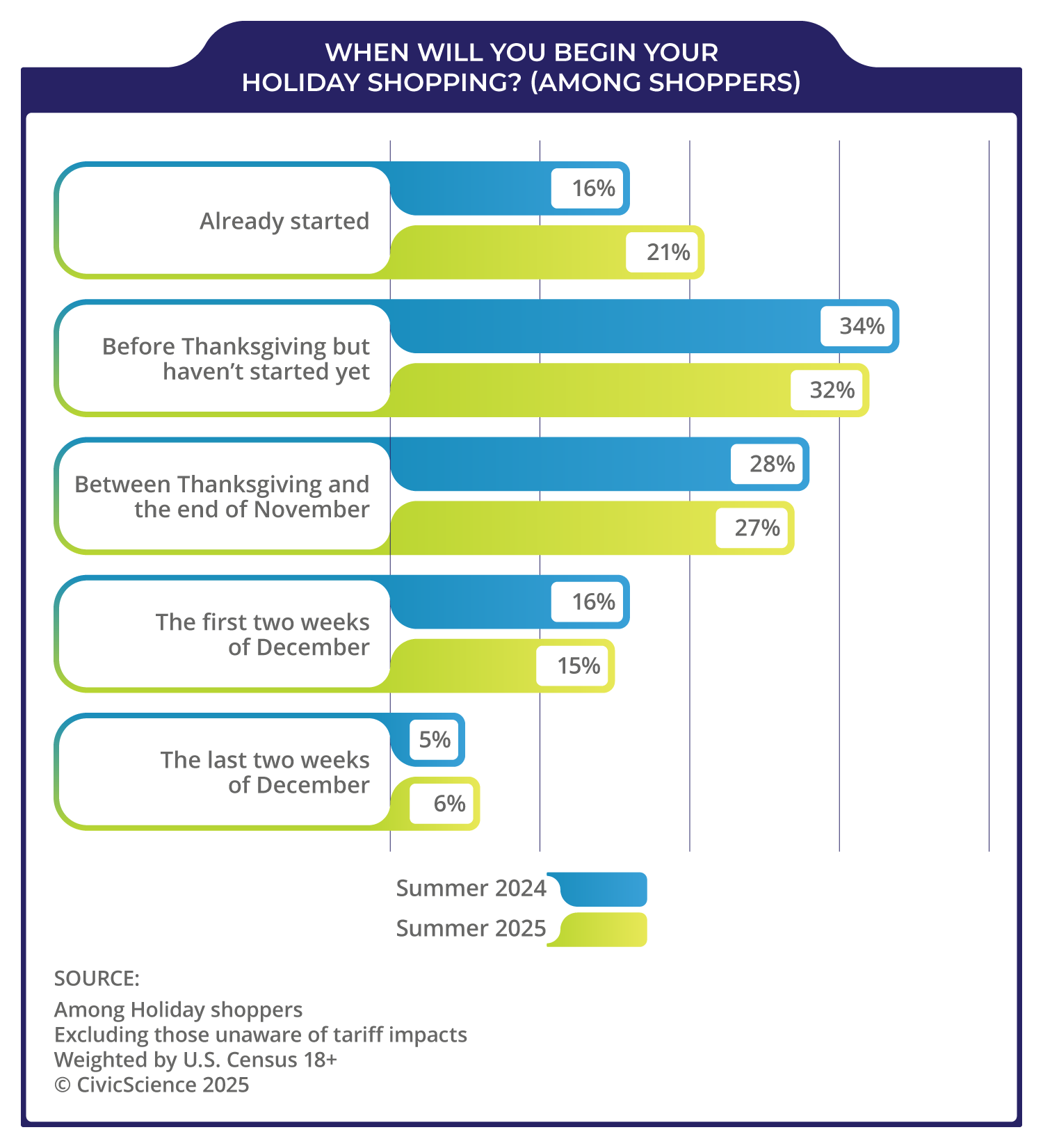
Timing matters. Most wineries either cram everything into a two-week blitz or wait until December 15 to panic. Both are amateur moves. Your audience shops early, often during Cyber Week, and again right before last ship dates.
Build a three-wave approach:
- Late November: Gift ideas, wine club upgrades, and “beat the rush” offers.
- Mid-December: Shipping deadlines, local pickup reminders, last-call urgency.
- Post-holiday: “You survived” re-engagement campaigns that turn giftees into new customers.
Day 4: The Wine Club Missed Opportunity
If your wine club members didn’t spend more in December, that’s a red flag. Your club is your warmest audience, yet most wineries treat them like they’re done buying. Wrong. They’re your easiest upsell—especially for magnums, limited editions, and gift memberships.
Target them with “member-exclusive” offers that actually feel exclusive. A bonus bottle, early access to a library wine, or gift wrapping that doesn’t look like you ran out of tissue paper. Give them a reason to brag about being in your club.
Day 5: The Lazy List Hygiene Lesson
Here’s an unpopular truth: not everyone who gets your emails should still be getting them. If your bounce or unsubscribe rate went up last December, your list hygiene is to blame. Sending to disengaged addresses hurts deliverability for everyone.
Before you launch this year’s holiday push, run a re-engagement campaign. Ask dormant contacts if they still want to hear from you. If they ghost you again, remove them. Your future open rates—and your sender reputation—will thank you.
Day 6: The Social Media Mirage
You probably boosted a few posts, ran a “giftable wines” carousel, and got… crickets. Social media during the holidays is a feeding frenzy of ads, and wineries are up against bigger budgets and louder visuals.
Instead of throwing money into the void, invest in retargeting. Use Meta to reach people who visited your site or opened your emails but didn’t purchase. It’s cheaper, more focused, and—brace yourself—actually measurable.
Day 7: The Shipping Deadline Debacle
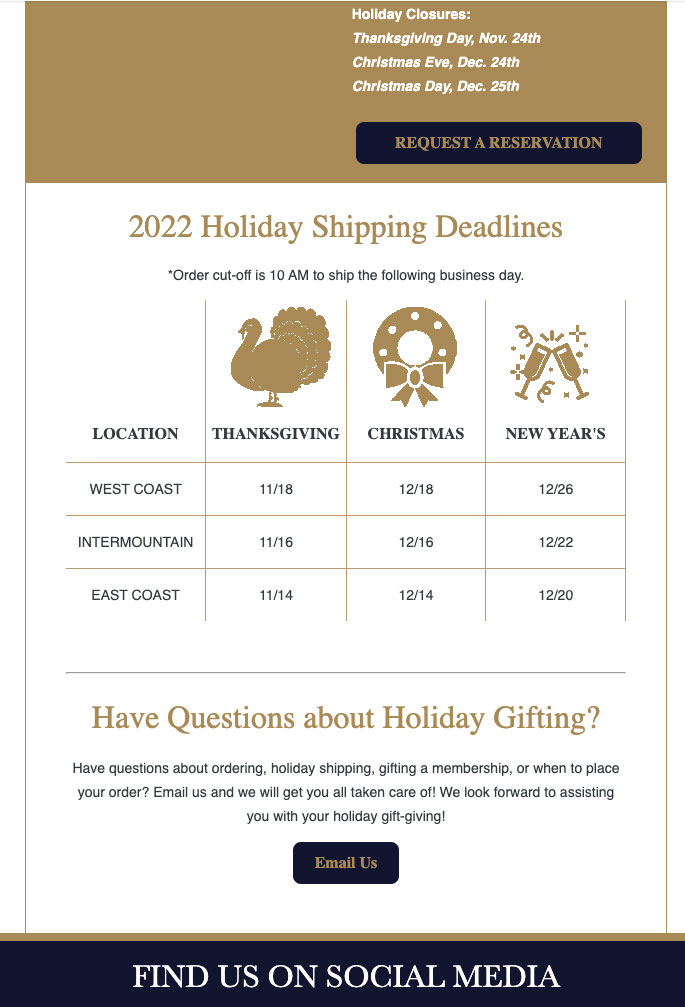
If half your customer service emails last December began with “Will it arrive by Christmas?”, you need a clearer shipping strategy. Display cutoff dates prominently, automate reminders, and consider adding an expedited option for the procrastinators.
And for your own sanity, don’t promise what your fulfillment team can’t deliver. No one wants to field angry calls from someone whose Pinot missed the party.
Day 8: The Overlooked Landing Page
Where did your traffic actually land? If you sent email clicks to your homepage instead of a focused holiday page, you made your customers work too hard.
Create a dedicated destination that’s easy to shop: clear bundles, clean design, and concise copy. Remember, customers aren’t browsing; they’re hunting. Every click between the email and the checkout is a chance for distraction—or worse, abandonment.
Day 9: The Discount Dependency Detox
If your customers only buy when you discount, congratulations—you’ve trained them that way. The holidays shouldn’t be a race to the cheapest bottle. Instead, use scarcity and storytelling to justify value.
Feature “limited holiday releases,” showcase behind-the-scenes vineyard shots, or tell the story of a vintage year. Make it emotional, not transactional. Customers will pay full price for something that feels personal.
Day 10: The “One and Done” Syndrome
You pulled off a decent December campaign, then went silent in January. Classic mistake. The post-holiday lull is prime time for cultivating repeat buyers.
Set up an automated thank-you sequence. Offer a “treat yourself” sale for giftees or a winter food pairing email that nudges them back. Keep momentum going before they move on to Dry January and start making bad decisions involving kombucha.
Day 11: The Forgotten Analytics Dashboard
You know what’s worse than bad performance? Not knowing why it was bad. If you didn’t set up UTM tracking or campaign tags last year, you wasted valuable insight. This year, track every click, open, and sale by source.
You can’t optimize what you don’t measure. And if your idea of analysis is “it felt busy,” then maybe let someone else drive the sleigh next season.
Day 12: The Hard Truth—You’re Not Competing with Other Wineries
You’re competing with everything else people can gift online. You’re not fighting the tasting room down the road; you’re fighting Amazon’s shipping speed, Target’s convenience, and Sephora’s loyalty points.
That means your marketing needs to feel more personal, more intentional, and far more human. Wine is a gift of emotion—connection, celebration, care. If your campaigns don’t make people feel that, your cabernet’s just another SKU in a sea of red.
Final Pour
The holidays aren’t about luck; they’re about preparation. The data sitting quietly in your CRM, POS, and email reports holds the map to better sales. Start your planning now. Audit what worked, fix what flopped, and build a smarter cadence before the lights go up again.
Because nothing says “happy holidays” like a clean database, a healthy profit margin, and an inbox full of customers who still want to hear from you in January.
