



Premiumization & Value Creation:
The Bright Spots in a Challenging Market
Spend an hour doomscrolling industry headlines and you’ll encounter a steady drumbeat of anxiety: declining volume, generational shifts, tightening distribution, economic uncertainty. The narrative feels monolithic — wine is in trouble.
Yet beneath the noise, the data tells a more selective story. Yes, volume is contracting. But premium price tiers continue to outperform lower segments. Direct-to-consumer buyers are purchasing fewer bottles — at higher average prices.
In other words, this isn’t simply a contraction. It’s a recalibration.
And recalibrations create opportunity.
Why Premiumization Matters Right Now
This trend of buying less, but better is called Premiumization and it’s everyone’s favorite buzzword at the moment. What this technically means is across the U.S. and global markets, low-priced wines are declining faster than higher priced offerings. Recent industry reporting highlights that wines priced above certain amounts (such as $12+) are outperforming lower tiers, with these “premium” segments holding value even as volume slips.
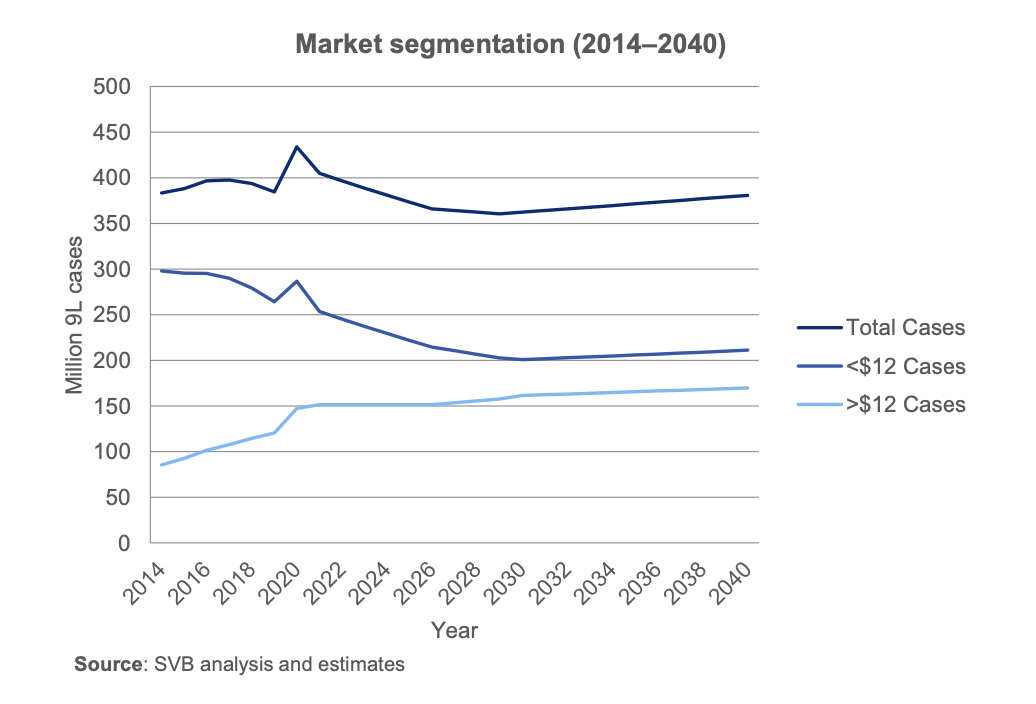
But don’t get excited and rush to raise your prices. This shift isn’t merely about price — it reflects changing consumer expectations. As purchasers consolidate their spend and seek quality experiences over quantity, they reward wines that feel distinctive, authentic, and worth their investment. While total case volume is not returning to growth anytime soon, value growth remains a real opportunity for wineries willing to reposition their brands and portfolios.c
Case Study: Josh Cellars — From Value Label to Lifestyle Brand
Fifteen years ago, Josh Cellars lived comfortably in the “solid grocery store Cabernet” category. Approachable. Reliable. Priced accessibly. Not exactly aspirational.
Then something shifted.
Rather than compete purely on price in the crowded $12–$15 tier, the brand invested heavily in storytelling and identity. The backstory — honoring founder Joseph Carr’s father, Josh — became central. The packaging evolved to feel more confident and classic. Distribution expanded strategically, but the brand voice became more lifestyle-driven and emotionally resonant.
It stopped behaving like a commodity.
Josh didn’t leap into luxury overnight. What it did do was elevate perception — subtly but consistently. Retail presence looked more premium. Messaging leaned into heritage and authenticity. The brand showed up in lifestyle moments rather than simply price promotions.
Over time, consumers began to treat it differently.
Average price points crept upward. Line extensions (Reserve tiers, limited releases) gained traction. The brand earned enough equity to justify higher-margin SKUs. Today, Josh Cellars regularly competes at higher price tiers than its original entry point, with strong brand recognition and loyalty to support it.
The key insight: perception preceded price expansion.
Consumers didn’t accept higher prices because the cost of glass went up. They accepted higher prices because the brand felt worth more.
And this isn’t just the US/ Global research also supports this trend: despite volume contraction, the global wine market’s premium wine segment is forecast to expand significantly over the next decade, driven by higher quality demand, rising disposable incomes in key markets, and evolving tastes in mature regions.
Direct-to-Consumer Channels: The Opportunity and the Reality
For years, direct-to-consumer sales — especially tasting rooms, wine clubs, and ecommerce — were heralded as the growth engine for wineries. Indeed, DTC has helped many producers capture higher revenue per bottle and build direct relationships with their best customers.
However, recent data paints a familiar picture. While DTC shipment reports show declines in both volume and total value, the average price per bottle shipped continues to rise, suggesting that higher-value wines are capturing a greater share of the shrinking DTC base.
Even so, other industry benchmarks — such as the Silicon Valley Bank DTC report — underscore that wineries with strong digital strategies, thoughtful wine club structures, and an integrated guest journey continue to see steadier growth and more predictable revenue streams.
That highlights a critical insight: DTC is not inherently a growth panacea — but when it’s executed with premium positioning and connected experiences, it becomes far more resilient.
What Wineries Can Do Today
So what does premiumization really mean for winery business strategy — beyond price tags?
1. Reframe Your Story Around Value, Not Just Volume
In a market where consumers are choosier, storytelling is a differentiator.
- Emphasize heritage, terroir, and craftsmanship in all brand touchpoints.
- Highlight why your wine is worth its price — rarity, vineyard practices, sustainable credentials, awards, or unique winemaking philosophy.
- Make sure these narratives show up consistently across tasting room scripts, website copy, club communications, and social content.
Premium isn’t just more expensive — it’s meaningfully different.
2. Tiered Experiences & Portfolio Structuring
Create a clear hierarchy within your portfolio that invites customers to trade up over time:
- Entry-Level Features: approachable, excellent quality wines that act as an invite to the brand.
- Mid-Tier Staples: regional or varietal flagship wines with strong brand identity.
- Premium & Limited Releases: small-lot, reserve, or heritage bottlings presented with a story and exclusivity.
Tasting rooms and club structures can mirror these tiers — e.g., VIP tastings for premium wines, early access for club members, and storytelling moments that reinforce value.
3. Upgrade Your DTC Journey with Strategic Marketing
Premiumization in DTC isn’t about selling more bottles — it’s about selling the right experiences. Consider:
- Optimized digital storefronts: fast, mobile-friendly ecommerce with high-impact visuals and storytelling.
- Segmentation & personalization: tiered club benefits that match purchase behaviors and lifetime value.
- Event-driven acquisition: tastings, curated dinners, or limited release launches that create urgency and deepen emotional connection.
- Post-visit nurturing: personalized follow-ups, targeted offers, and curated content that turns curiosity into loyalty.
4. Reflect Premium Through Brand Aesthetics & Positioning
Perception is reality. Premium brands must feel premium — across every touchpoint:
- Packaging & Label Design: invest in design that communicates craft, provenance, and quality.
- Photography & Digital Presentation: high-quality imagery, consistent visual language, and lifestyle storytelling that elevates the wine beyond a product to an aspiration.
- Brand Partnerships & Placements: collaborations with high-end restaurants, chefs, or lifestyle brands can shift positioning and perception.
Marketing plays a central role here — not just as promotion, but as curation of perceived value.
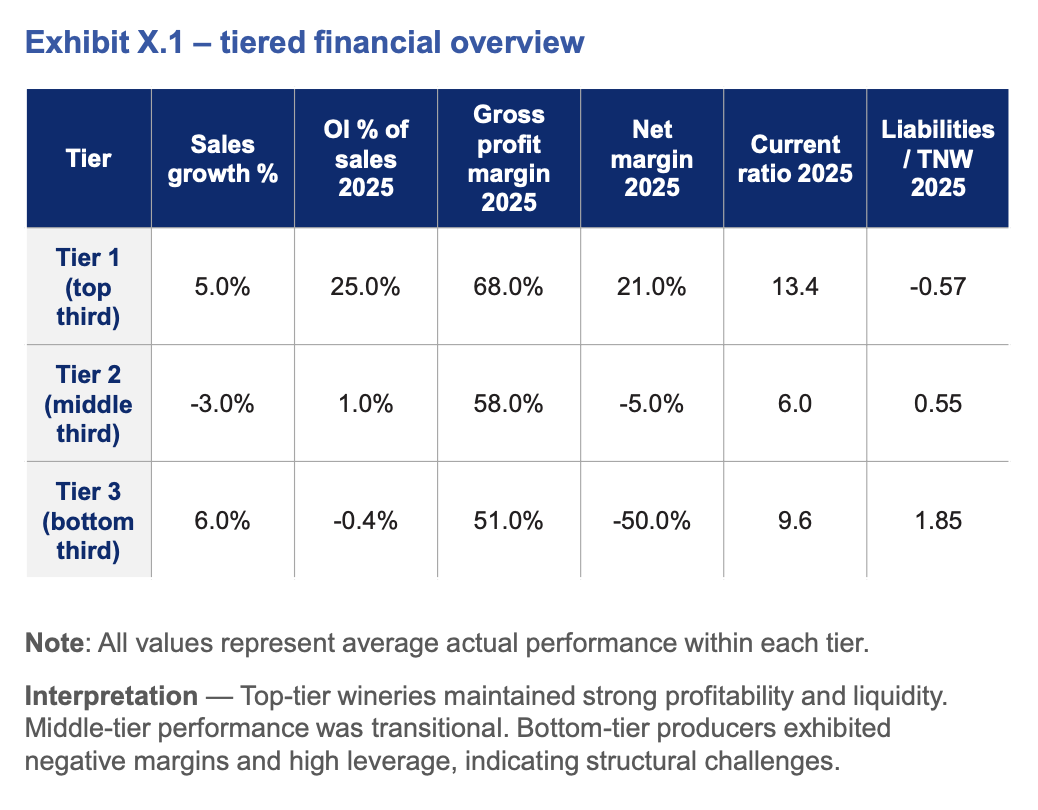
Marketing as a Strategic Growth Engine
At its core, premiumization is a marketing shift. It’s about changing consumer perception from “wine I drink” to “wine I choose deliberately” — and that shift happens in the mind long before the purchase happens in the cellar door or shopping cart.
As a marketing partner to wineries, you can help brands:
- Define their value proposition clearly and consistently.
- Tell better stories that resonate with targeted consumers — especially premium buyers and lifestyle-driven segments.
- Craft cohesive brand systems — visual, verbal, and experiential — that reinforce quality at every point.
Healthcare in wine may stress moderation and alternative beverages, but premium wine — when packaged, presented, and marketed right — still appeals to consumers who value experience over volume and quality over quantity.
Conclusion: Growth Where Value Prevails
The macro environment may be challenging — shrinking volume, shifting demographics, and evolving tastes — but wine value is not disappearing. It’s being reallocated toward higher-quality, purposefully crafted wines that resonate with modern consumers.
Premiumization and DTC engagement are not just buzzwords — they are strategic pathways that wineries can harness today through thoughtful marketing, differentiated experiences, and disciplined brand positioning.
In an era of uncertainty, value creation isn’t just about selling more wine — it’s about selling better wine to the right customers, with the right story, at the right time. Premium doesn’t just sell — it sustains.
