



Sip into 2026
How to Align Q1 Marketing Messages with New Year Consumer Trends
The New Year has often been seen as a marketing reset. New goals, new mindsets, new opportunities. However, by the time Q1 arrives, many brands still rely on superficial “New Year, New You” messages that no longer match how consumers actually behave in January, February, and March.
In 2026, the opportunity isn’t to shout louder about resolutions—it’s to align your brand with how people are realistically thinking, spending, and socializing in the first quarter. According to multiple consumer studies, roughly 80% of New Year’s resolutions fade by mid-February, yet spending habits, social rituals, and emotional priorities continue well beyond January. That gap is where smart marketing lives.
For wine brands, Q1 isn’t about reinventing but staying relevant. The most effective early-year messaging connects with consumers by addressing their desire for connection, value, simplicity, and meaningful experiences that don’t feel indulgent or excessive.
Below are five New Year consumer trends shaping Q1 behavior—and how wineries can align their messaging, campaigns, and content to stay top of mind long after January 1.
1. Reprioritizing Time with Family and Friends
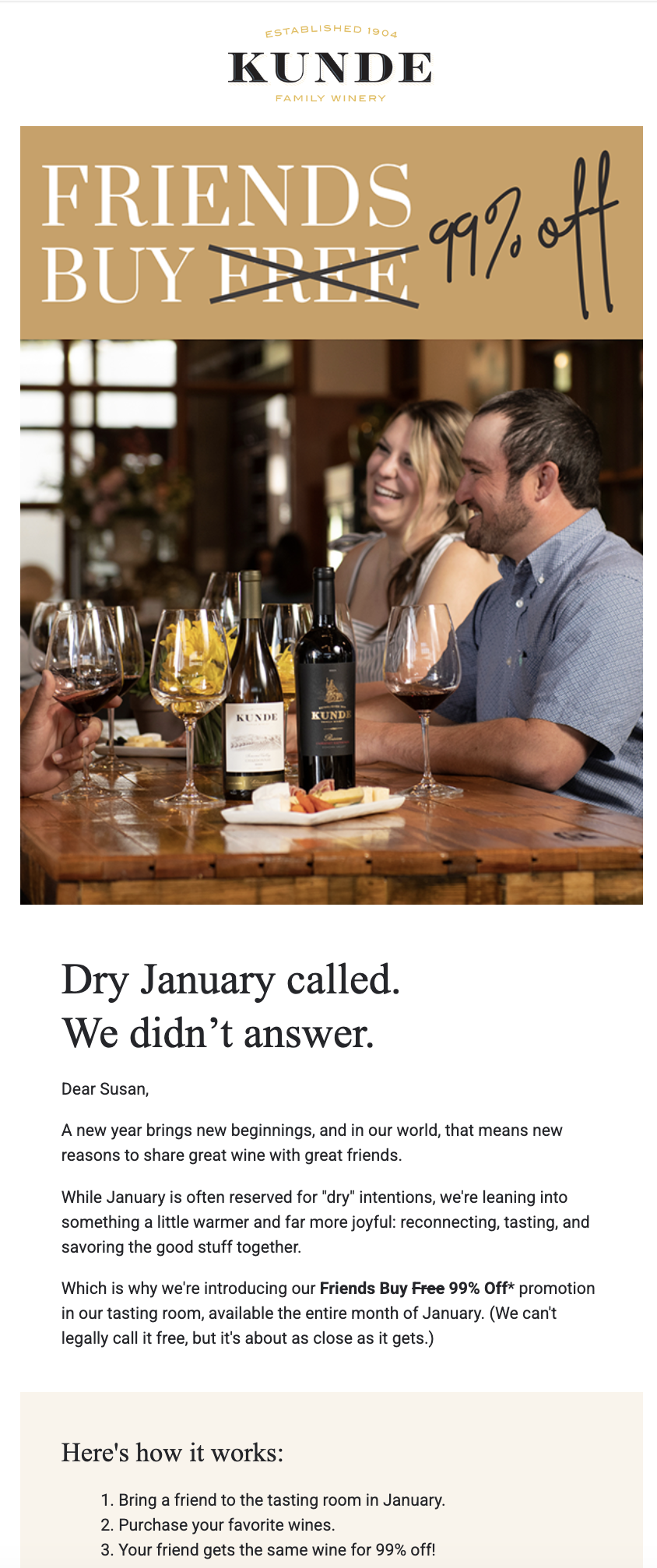
Despite all the talk about self-improvement, one resolution consistently ranks at the top year after year: spending more time with the people who matter. In fact, post-pandemic research continues to show that consumers prioritize shared experiences over material possessions, especially in the first quarter when social calendars are lighter and routines reset.
For wine brands, this is a chance to shift messaging from “special occasion” wine to everyday connection. Q1 campaigns should highlight how wine naturally fits into weekly dinners, casual gatherings, and small celebrations—not just holidays or milestones.
Content ideas might include:
- “Weeknight Pairings” instead of formal dinner parties
- Messaging around reconnecting after the holidays
- Highlighting tasting rooms as relaxed gathering spaces, not destination-only experiences
The goal isn’t to sell more wine—it’s to position your brand as part of the rituals that help people reconnect and relax after a hectic year-end.
2. Learning as Leisure, Not Obligation
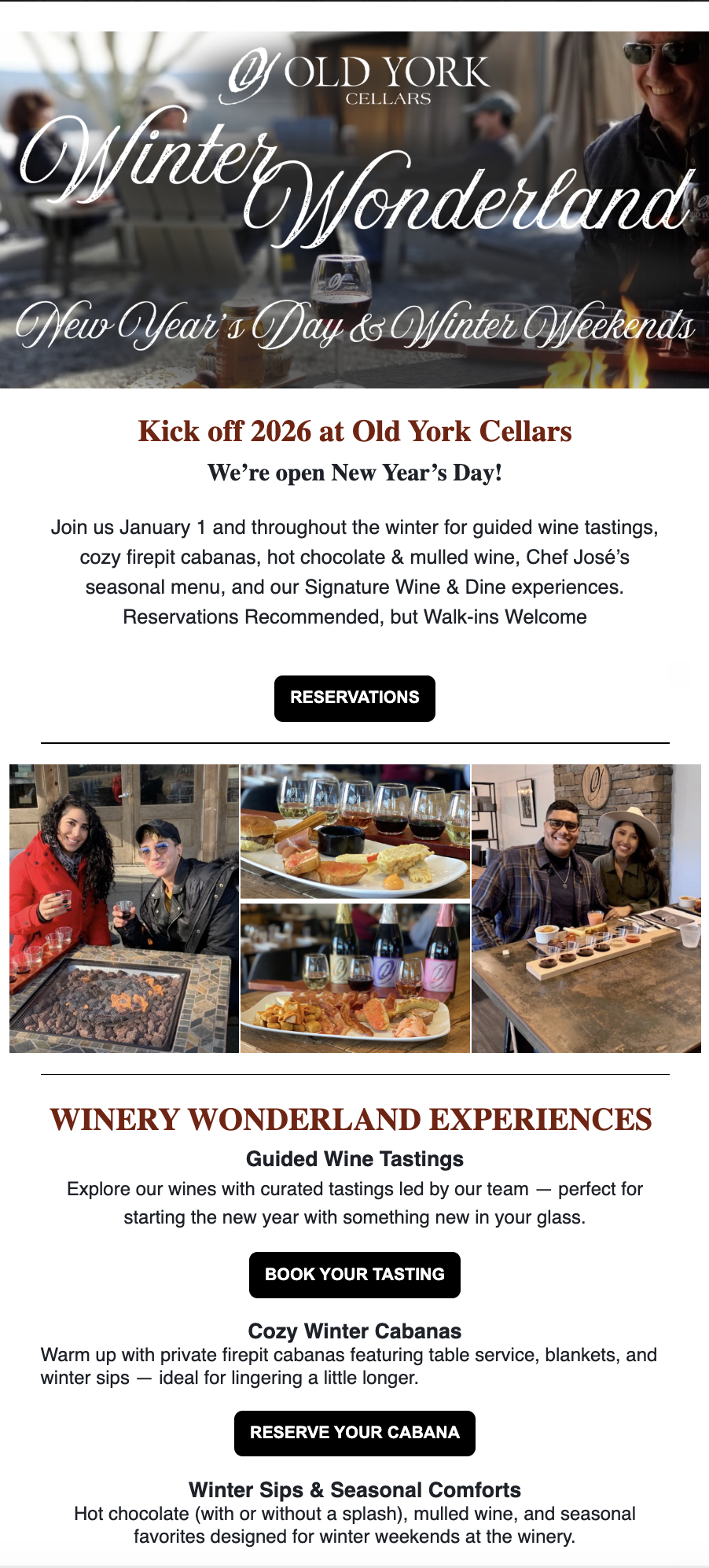
Learning a new skill remains a popular New Year goal, but the tone has shifted. Consumers are less focused on mastery and more interested in low-pressure enrichment. According to adult learning research, hobbies linked to enjoyment and social interaction have notably higher follow-through rates than skill-building related to performance or productivity.
This makes wine education a natural fit for Q1—if positioned correctly.
Rather than framing wine knowledge as expertise, wineries should present it as:
- Curious
- Accessible
- Enjoyable
Q1 marketing can highlight blending workshops, tasting flights with educational prompts, behind-the-scenes content, or virtual tastings that feel optional, not instructional. The core message: learning about wine is something you get to do, not something you have to do.
In early 2026, brands that make education feel fun and social—not aspirational or intimidating—will stand out.
3. Simplification, Not Sacrifice
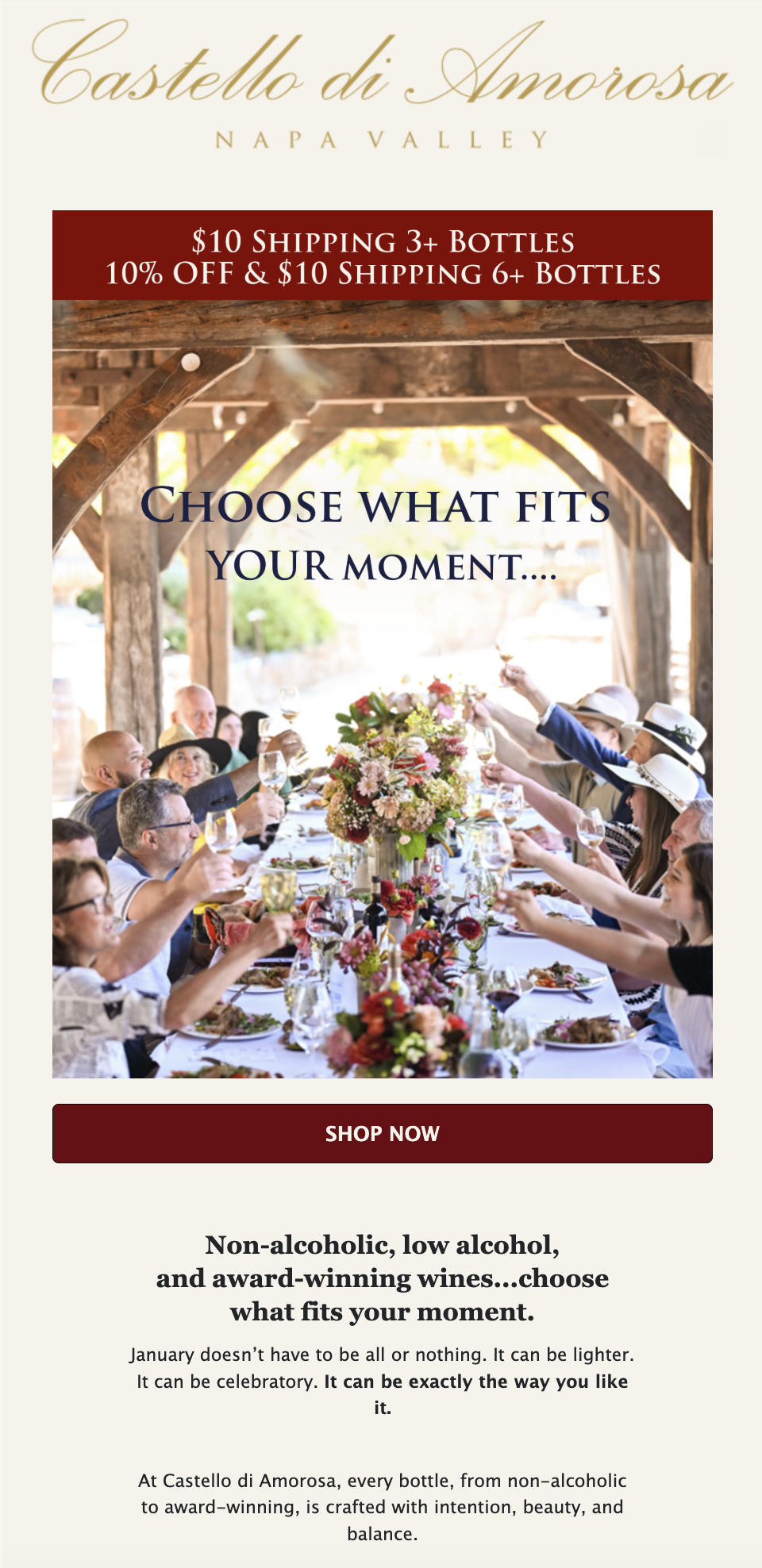
Minimalism and decluttering continue to shape consumer behavior, but today’s version isn’t about deprivation. Instead, it’s about making intentional choices. Consumers prefer fewer options, clearer value, and purchases that feel justified.
This directly impacts how wine should be marketed in Q1.
Rather than promoting abundance or variety, wineries can emphasize:
- Curated selections and variety
- Limited releases with a clear purpose
- Wine clubs framed as simplification tools, not commitments
Research shows that consumers are more likely to buy when choices are clearly presented and emotionally justified. Q1 is the ideal time to reinforce the idea that one exceptional bottle—or one carefully designed shipment—is better than many forgettable ones.
Messaging should emphasize confidence and clarity: “You don’t need more. You need the right choice.”
4. Authentic Connection to Culture and Craft
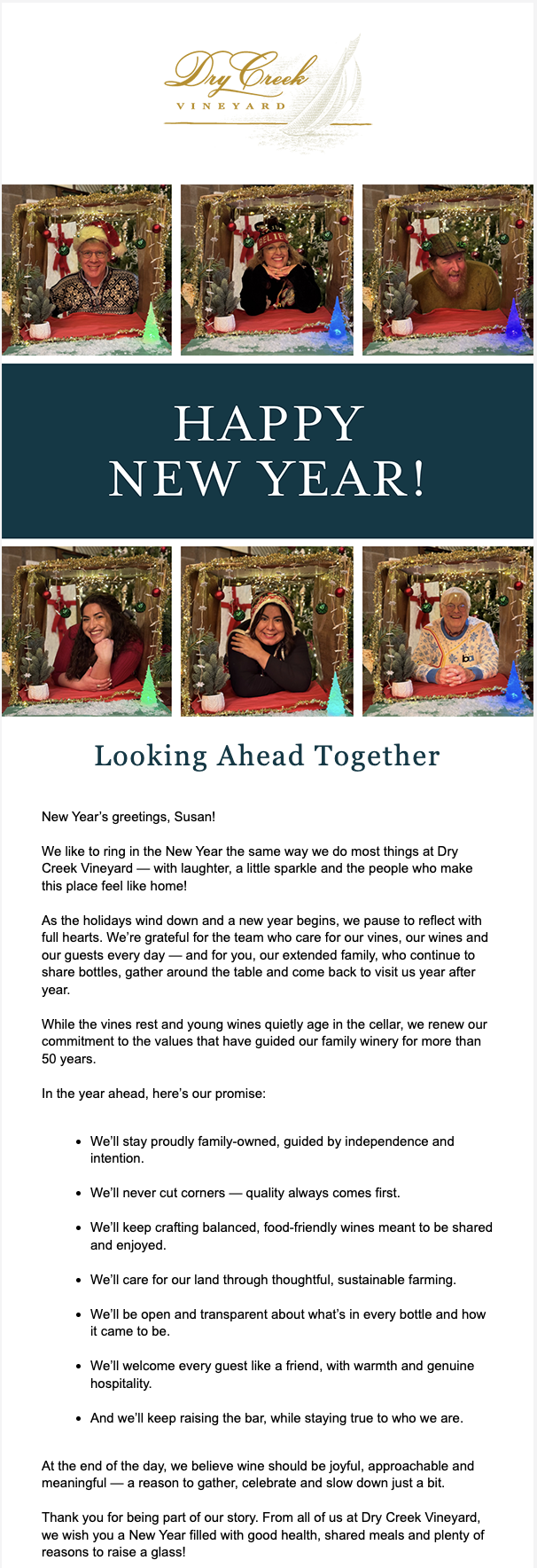
As trust in mass marketing continues to decline, consumers are increasingly drawn to brands with a clear point of view and authentic stories. This is especially true at the beginning of the year, when people reassess not just their habits but also their values.
Wine is uniquely positioned here. Every winery has built-in cultural capital—place, people, tradition, innovation—but too often these stories are buried or overcomplicated.
Q1 marketing should bring those stories forward in simple, human ways:
- Who made this wine, and why
- What values guide how it’s grown and produced
- How the winery fits into its local community
According to branding studies, brands seen as authentic outperform competitors in both loyalty and willingness to pay. Storytelling early in the year builds emotional equity that benefits long after Q1 is over.
5. Financial Mindfulness Without Guilt
Economic caution continues to influence early-year spending, but consumers are not abandoning pleasure—they are redefining it. In 2026, financial mindfulness is less about cutting indulgences and more about selecting ones that feel worthwhile.
Wine fits squarely into this mindset when positioned correctly.
Rather than apologizing for the purchase, Q1 messaging can:
- Highlight value and popularity relative to cost
- Frame wine as an affordable luxury compared to dining out or travel
- Promote bundles, loyalty perks, or flexible club options
Studies consistently show that consumers are more willing to spend when they understand the value story behind a purchase. In Q1, reassurance is more important than urgency.
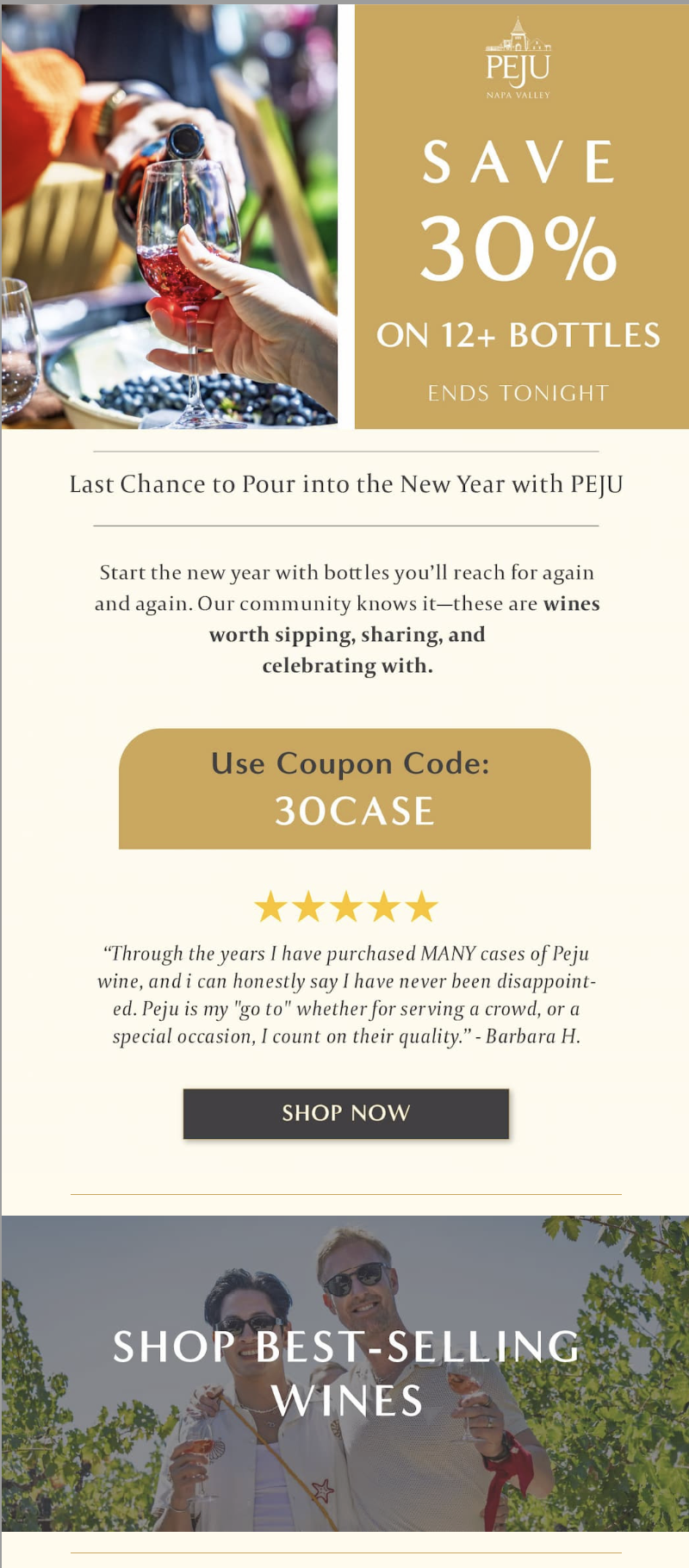
Turning Trends into Q1 Strategy
As Q1 begins, the brands that stand out aren’t those chasing quick fixes; they are the ones connecting with how people truly feel at the start of the year. January through March is a time of emotional reset. Consumers are tired, more selective, and much more sensitive to messaging that feels genuine rather than overly aspirational. According to research from the IPA and Nielsen, campaigns that prioritize emotional relevance are up to twice as effective as those focused mainly on rational messaging, leading to stronger long-term brand growth and recall. In other words, how your brand makes someone feel is more important than what you ask them to do.
For wine brands, this is an important reframing. Q1 isn’t about motivating transformation—it’s about offering familiarity, reassurance, and small moments of pleasure that feel earned, not indulgent. When your marketing aligns with connection, intention, and value, you’re no longer competing for attention during a crowded resolution cycle. You’re earning a place in consumers’ everyday rituals.
Resolutions may fade by February, but emotionally resonant brands don’t. When Q1 messaging reflects real priorities and real life, it sets a tone that carries through the rest of the year—building trust, loyalty, and relevance long after the New Year glow wears off.
