



The Rise of Cultural Meh
How Brands Can Speak to an Emotionally Exhausted Consumer
I spend an embarrassing amount of time every January reading year-end recaps, trend reports, and “culture in review” pieces. It’s part professional habit, part curiosity, part doomscrolling with a notebook. But as I started flipping through 2025 retrospectives, something felt… off.
Not alarming.
Not exciting.
Just oddly muted.
Nothing was shouting. Nothing felt particularly sharp. Even the topics that usually come with big opinions seemed softened, neutralized, turned down a few notches.
So I pulled the thread.
And the more I looked, the more I began noticing the same quiet signals emerging in places that had no connection to each other: design trends, language, social behavior, media content, fashion, and even travel preferences. Different industries. Different audiences. Same emotional temperature.
Meh.
Which led me to a question I couldn’t shake:
Is this increasing indecisiveness a new form of rebellion? A sign of boredom? Or are we just culturally drained in a world that requires constant outcry, conviction, and commentary?
Because what I kept seeing wasn’t outrage or disengagement; it was something more subtle—an actual preference for neutrality, comfort, and choices that don’t demand much emotionally. Not exactly apathy, but more like strategic restraint.
Once you start looking for it, the pattern is hard to ignore.
Cloud Dancer: Are We So Tired We Can’t Even Pick a Color?
Pantone is a worldwide authority on color that offers a standardized language through its Pantone Matching System. Since 1999, it has chosen a Color of the Year to represent the link between global culture and design trends, impacting everything from fashion to interiors to branding.
The 2026 Color of the Year is 11-4201, Cloud Dancer. Which is to say: white.
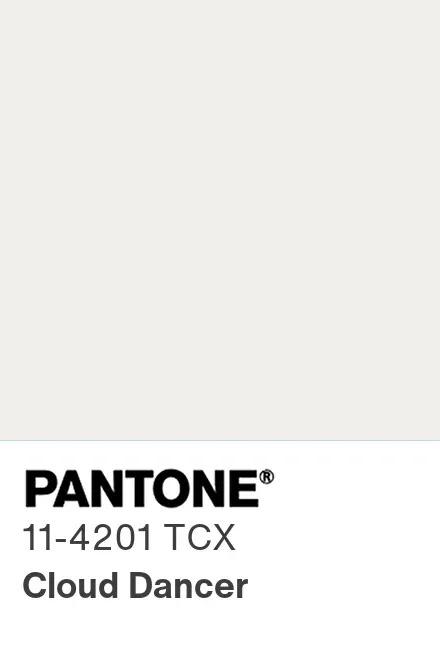
That might not sound radical until you realize it’s the first time a white shade has ever been chosen in the history of the program. Pantone’s explanation is predictably soothing — Cloud Dancer is meant to evoke calm, clarity, and quiet reflection in a “noisy world.”
My first reaction wasn’t calm.
It was: White? Really?
Are we so overwhelmed — so cautious — that we can’t even commit to a color anymore? Is white a thoughtful response to cultural overload, or a polite way of opting out altogether? A blank canvas sounds appealing in theory, but it also lacks a point of view.
As a creative, I love color. Color has always been about mood, identity, and expression. It’s how we signal taste, emotion, and even rebellion. I’m all for generous whitespace, but choosing white as a central cultural symbol feels less like a statement and more like a pass — or perhaps a refusal to engage in the discussion at all.
But maybe that is the point.
In a world where every choice feels loaded, even color can feel like taking a side. White doesn’t offend. It doesn’t provoke. It doesn’t require explanation. It’s safe, neutral, and comfortable. The visual equivalent of saying, let’s not make this harder than it needs to be.
Whether Cloud Dancer suggests thoughtful restraint or cultural timidity probably depends on your mood. However, it’s difficult to ignore what it communicates: a shared desire to step back, soften the edges, and avoid bold declarations — even in something as low-stakes as “what’s your favorite color”.
Dictionary.com’s Word of the Year Isn’t a Word
If Pantone’s color choice feels like a cultural sigh, Dictionary.com’s Word of the Year for 2025 feels like a shrug.
The winning entry? “6-7.”
It’s not a real word and has no official meaning. It’s just a pair of numbers that serve more as a tone indicator—meh, so-so, middling, lukewarm—rather than language. It spread quickly on TikTok and other social platforms because it perfectly expressed a kind of emotional neutrality that many younger people already felt and were expressing without passion.
In fact, so many people searched for “what does 6-7 mean?” that it really reveals everything you need to know about its emotional economy.
Think about that for a moment. A “word” that hardly means anything becomes Word of the Year because people are using it to describe how they feel about… everything.
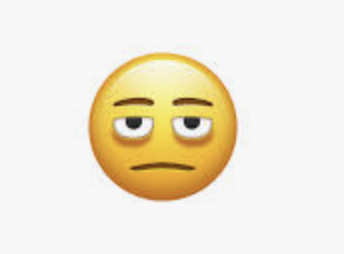
And if you need further evidence that this is a trend, the World Emoji Awards (yes, it exists) gave its “most popular new emoji” award (yes, it’s a thing) to “Face with Bags Under Eyes” as the most popular emoji of 2025.
This is ambivalence turned into not only language, but symbols. Not clarity. Not ardor. Just a gentle meh.
That’s not laziness. It’s emotional insolvency.
TikTok Trends: The Beige Flag Phenomenon
If cultural ambivalence had a mascot on social media, it might be the “beige flag.”
A playful counterpart to the dreaded red flag, a beige flag refers to behaviors that aren’t bad— just not exciting either. Mildly underwhelming. Emotionally neutral. Perfectly fine.
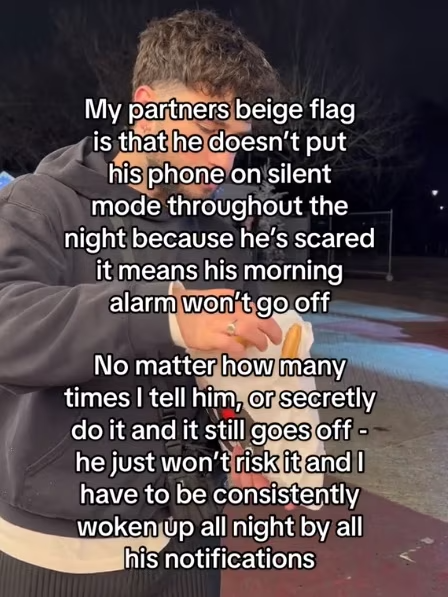
(TikTok: cassandrapalumboo)
People aren’t mocking beige flags. They’re celebrating them.
The beige flag indicates low emotional tension. It’s like lukewarm coffee with a splash of oat milk — comfortable, steady, and unlikely to cause conflict or require vulnerability.
But there’s another way to read it. Is beige really neutral? Or is it a softer form of resistance?
Endless agreeableness. No strong preferences. No genuine stance. These traits avoid conflict, but they also prevent connection. Beige flags can feel safe — but they can also be quietly passive-aggressive in their refusal to show they care loudly about anything at all. It’s passive disengagement. Saying whatever works and meaning I’m not invested enough to be bothered.
What makes this interesting is that it’s not just about dating culture. It’s about how we’re learning to manage intensity. In a culture that values calm, likability, and low drama, beige becomes socially acceptable armor. Emotional neutrality isn’t just tolerated — it’s becoming a coping strategy. One that helps people stay present without revealing too much.
Why We Keep Tuning into The Office
Have you noticed how many channels now air years of the same TV shows back-to-back? Full start-to-finish rewinds. Not nostalgia nights — just entire eras on repeat.
Streaming platforms are experiencing a strong comeback of older TV shows and classic content, with much of the viewing time spent rewatching familiar favorites or discovering them for the first time. According to NRG’s syndicated Future of Series research, nearly 60% of total TV viewing on streaming services is dedicated to older content — shows people already recognize.
Despite countless new choices, viewers opt for what feels familiar.
There are a few reasons for this. Familiar shows are easy. They lower anxiety. They require less mental effort. You know who will disappoint you. You know who will redeem themselves. You know what happens with Ross and Rachel — and that’s part of the appeal.
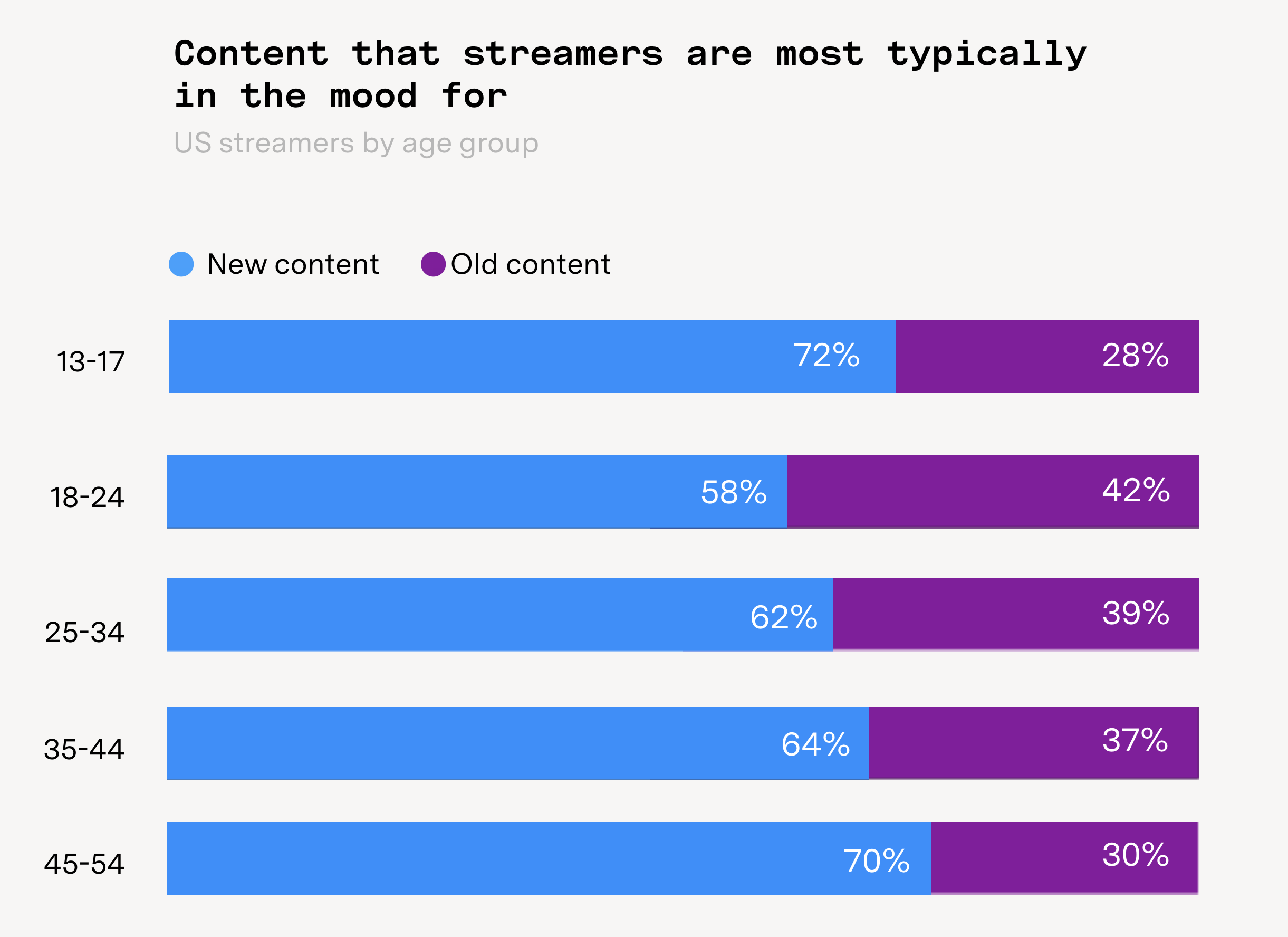
(Source: NRG’s syndicated research Future of Series)
Nostalgia plays a role, but this isn’t just a phenomenon limited to Gen X or Millennials. Gen Z also has a strong interest in “older” content — especially shows from the 2010s that already feel safe, familiar, and emotionally accessible.
There’s also a practical reason: older series are complete, with multiple seasons. No waiting, no cliffhanger anxiety. They’re perfect for binge-watching, half-watching, or playing quietly in the background while life goes on.
Psychologists highlight another aspect: familiar shows serve as emotional comfort food. They ease cognitive load, calm stress, and offer predictable emotional rhythms that new content can’t provide. You’re not watching to be surprised. You’re watching to feel in control.
This isn’t about avoiding risk; it’s about managing it.
It’s easier to rewatch a favorite sitcom than to commit to a prestige drama that demands attention, interpretation, and emotional stamina. Comfort viewing isn’t laziness — it’s efficiency. Cultural self-care. Emotional cost-cutting.
So What Does All This Add Up To?
What this truly highlights is that ambivalence isn’t unintentional — it’s adaptive.
People aren’t disengaging because they don’t care. They’re disengaging because caring too much, too often, is draining. Whether it’s choosing white as a color, using “6-7” to describe how you feel, embracing beige flags, or looping the same TV shows on repeat, the impulse is the same: to minimize emotional risk while staying connected.
Ambivalence, in this context, isn’t indifference. It’s preservation.
And once you view it as a coping mechanism instead of a flaw, the pattern stops seeming passive and begins to appear deliberate.
So What Does This Mean for Marketers?
For years, the common wisdom — and I’ve promoted this too — was that transparency, bold positioning, and value-driven storytelling were the way to go. People connect with people, not products. They want brands with values that feel authentic.
That part is still true.
What’s changed is how those values land.
We’re no longer in a moment where louder is better. Today:
- Too much intensity feels overwhelming
- Too many choices breed skepticism
- Forced conviction triggers suspicion
Consumers aren’t asking brands to go silent. They’re asking them to be clear without drama, specific without agitation, human without theatrics.
They don’t want to be convinced. They want to be understood.
That means embracing clarity and consistency. Making life simpler, not more difficult. Not dull — confidently straightforward.
Here’s what that can look like:
- Saying “here’s what we do and why,” without a manifesto
- Offering quality and transparency, without hyperbole
- Respecting time and attention instead of demanding emotional labor
In a culture where ambivalence signals strength — not failure — brands that embrace intentional simplicity may connect more deeply than those pursuing loud differentiation.
Here’s the question this cultural moment forces us to ask:
- Are we too indifferent to care passionately anymore?
- Or have we just become more selective with our emotional investments?
I lean toward the latter.
Maybe ambivalence isn’t retreat. Maybe it’s reallocation — of attention, energy, and engagement — toward what truly matters, in ways that don’t demand constant volume.
Pantone provided us with a blank canvas.
Dictionary.com responded with a shrug.
TikTok offered us neutral flags.
And our viewing habits brought us comfort.
These aren’t signs of collapse. They’re signs of selective engagement.
And that’s worth paying attention to.
